VPN vs. SSO vs. ZTNA - What Is Future-Built Access Control
Three access models compared, and which one scales.

Why it is worth reading
Most enterprise applications now run in the cloud and users work from anywhere - but much of access control is still built for the old perimeter. A VPN authenticates the first tunnel and then stops verifying, while SSO smooths the log-in but exposes applications to the internet and sees the user, not the context.
This white paper puts the three access models side by side: how ZTNA's continuous, risk-based validation works in practice, where VPN and SSO fall short, how ZTNA runs underneath an SSO layer, and why it fits most naturally as part of a managed SASE platform. A definitions section covers SASE, SD-WAN, SSE, and the rest of the vocabulary in a few lines each.
What is inside
- How ZTNA authentication and authorization workIdentity, device posture, risk scores, time, and location - with continuous validation from the start of a session to its end.
- ZTNA vs. VPNWhy the authenticate-once tunnel, IP address management, and appliance infrastructure no longer fit cloud-first work.
- ZTNA vs. SSOSSO drives productivity but exposes applications and cannot see the traffic - ZTNA keeps verifying in the background.
- ZTNA and SASESecure any-to-any access enforced through context and granular policies, delivered as part of a unified SASE service.
- DefinitionsSASE, SD-WAN, SSE, ZTNA, VPN, SSO, and network edge - each pinned down in a few lines.

VPNs are also problematic because they do not follow the main principle of ZTNA: never trust, always verify.Who it is for
- Network and security architects comparing access control options
- IT leaders planning a VPN replacement for a cloud-first workforce
- Identity and IAM owners deciding how SSO and ZTNA fit together
Founded in Switzerland. Backed by Swiss Post.
Founded in Switzerland in 1990, Open Systems generates more than USD 100 million in annual revenue and supports global enterprise customers operating in more than 180 countries. Since 2024, the company has been part of Swiss Post, combining Swiss trust and stability with global reach. As a European alternative to US- and Israel-based cybersecurity providers, Open Systems is guided by strong principles around sovereignty requirements, regulatory alignment, transparency and shared responsibility - taking clear ownership for security, performance and operational outcomes, helping organizations maintain control in an increasingly complex digital landscape.
Autonomous SASE. AI-run. Human-backed.
You might also like.

ZTNA vs. VPN: Access Security for a Cloud-First World
Why identity-based access replaces the VPN, and how to get there without breaking daily work.
Read more →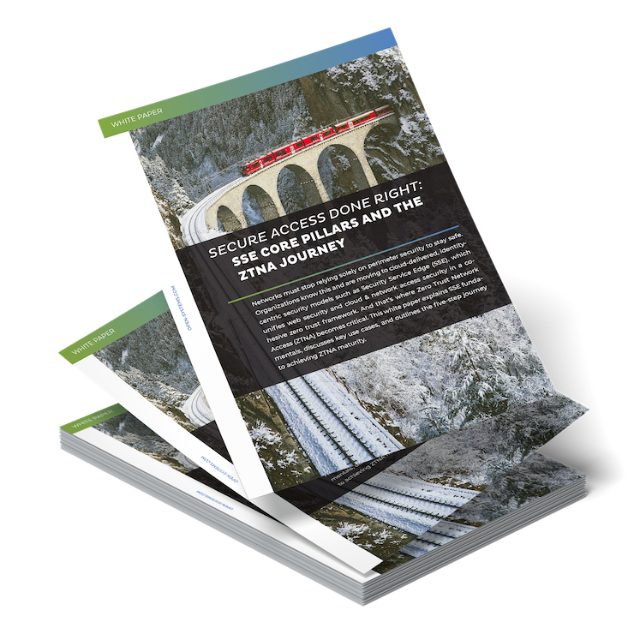
Secure Access Done Right
How SSE and ZTNA work together on the way to a zero-trust setup.
Read more →
From Silos to Synergy: How ZTNA Thrives within SASE
Why ZTNA works best as part of a converged platform.
Read more →